
dark green reflective glass
Livella Spirit Level Precision e Importanza del Livellamento in Edilizia La livella spirit livello è uno strumento essenziale in molteplici discipline, in particolare nell'edilizia e nella costruzione. La sua funzione principale è quella di determinare la planarità di una superficie rispetto alla gravità. Quando si parla di precisione, un valore come 0,02 mm/m diventa cruciale, specialmente in progetti dove anche la più piccola deviazione può avere conseguenze significative. Cos'è una Livella Spirit Level? Una livella spirit livello, conosciuta anche come livella a bolla, è composta da un tubo di vetro curvo contenente un liquido (di solito alcool o acqua) e una bolla d'aria. Quando lo strumento è posizionato su una superficie, la bolla si sposta verso il punto più alto del tubo. Il centro della bolla indica che la superficie è perfettamente livellata. La precisione di 0,02 mm/m implica che per ogni metro di lunghezza, la bolla può discostarsi al massimo di 0,02 mm dal centro, rendendo questo strumento particolarmente adatto per lavori di alta precisione. L'importanza del Livellamento in Edilizia Un livellamento accurato è fondamentale per garantire la stabilità e la sicurezza delle strutture edili. Negli edifici, un terreno o una base non livellata può portare a problemi come crepe nelle mura, porte che non si chiudono correttamente e persino cedimenti strutturali. Questo è particolarmente vero in edifici alti o in strutture che devono sostenere carichi pesanti. L'importanza del livellamento è evidente anche nei lavori di installazione, come nel caso di finestre e porte. Se questi elementi non sono installati in modo perfettamente livellato, possono causare non solo problemi estetici, ma anche inefficienze energetiche. Infatti, infissi mal posizionati possono creare spifferi e aumentare il consumo energetico per riscaldare o raffreddare un ambiente. Livelle Spirit Level con Precisione di 0,02 mm/m spirit level 0.02 mm m Le livelle spirit livello con una precisione di 0,02 mm/m sono spesso utilizzate in applicazioni specializzate dove ogni millimetro conta. Questi strumenti sono comuni nei settori della meccanica di precisione, dell'ingegneria e dell'architettura. I professionisti in questi campi sanno quanto sia essenziale avere un livello di precisione elevato per garantire che ogni componente si incastri perfettamente. Ad esempio, nella costruzione di macchinari o strumenti di precisione, una deviazione anche minima può compromettere il funzionamento dell'intero sistema. Pertanto, utilizzando una livella spirit livello che offre questa precisione, gli ingegneri e gli operai possono assicurarsi che ogni pezzo rispetti le specifiche esatte richieste. Scegliere la Giusta Livella Spirit Level Quando si tratta di scegliere la giusta livella spirit livello, è importante considerare diversi fattori. Oltre alla precisione, è essenziale pensare alla lunghezza dello strumento. Livelle più lunghe possono fornire una misurazione più affidabile su superfici piane estese, mentre quelle più corte possono essere utili per lavorare in spazi ristretti. Inoltre, è sempre consigliabile optare per strumenti di qualità, poiché una livella ben costruita resisterà meglio all'usura e garantirà una maggiore precisione nel tempo. Marchi rinomati nel campo degli strumenti di misurazione offrono livelle spirit livello progettate per resistere a condizioni di lavoro difficili, assicurando risultati affidabili. Conclusione In conclusione, la livella spirit livello con una precisione di 0,02 mm/m è uno strumento indispensabile per garantire la qualità e la sicurezza nella costruzione e nell'ingegneria. Comprendere l'importanza del livellamento e utilizzare strumenti precisi può ridurre al minimo gli errori e migliorare la durata delle strutture. Investire in una livella di alta qualità può fare la differenza tra un progetto di successo e uno che presenta problemi a lungo termine. Con la continua evoluzione delle tecnologie e delle tecniche di costruzione, strumenti come la livella spirit livello rimangono al centro della pratica edilizia moderna.
about
dark green reflective glass
Understanding Industrial Vibration Pads A Comprehensive Overview In various industrial and manufacturing settings, vibration control is essential for maintaining equipment integrity and ensuring smooth operations. One effective way to mitigate excessive vibrations is through the use of industrial vibration pads. These pads serve as a crucial component in supporting machinery, minimizing vibrations, and enhancing overall productivity. What Are Industrial Vibration Pads? Industrial vibration pads are specialized materials designed to absorb and dampen vibrations produced by machinery and equipment. They are typically made from materials that exhibit excellent vibration-damping properties, such as rubber, neoprene, or polyurethane. These materials are engineered to provide a resilient support base that alleviates the impact of vibrations on structures and personnel. Types of Vibration Pads Vibration pads come in various shapes, sizes, and materials, each suited to specific applications. Here are a few common types 1. Rubber Vibration Pads Known for their elasticity and durability, rubber vibration pads are widely used in industrial settings. They effectively absorb shocks and reduce noise levels, making them ideal for heavy machinery and equipment. 2. Neoprene Pads Neoprene is a synthetic rubber that offers excellent weather resistance and chemical stability. Neoprene vibration pads are often used in environments where exposure to oils, solvents, or temperature fluctuations is common. 3. Polyurethane Pads These pads provide a higher load-bearing capacity and are suitable for heavy-duty applications. Polyurethane pads are resistant to abrasion and wear, making them an ideal choice in demanding industrial environments. 4. Foam Pads Although less durable than rubber or neoprene, foam pads can be effective for lighter machinery and applications where limited vibration control is needed . Benefits of Using Vibration Pads 1. Enhanced Equipment Longevity By absorbing vibrations, these pads reduce wear and tear on machinery, leading to prolonged operational life. This proactive approach to maintenance can save organizations significant money in repair and replacement costs over time. industrial vibration pads 2. Noise Reduction Excessive vibrations often result in high noise levels, which can lead to uncomfortable working conditions. Vibration pads help to dampen sound transmission, creating a quieter and more conducive work environment. 3. Improved Worker Safety High levels of vibration can pose health risks to workers, including musculoskeletal disorders. By using vibration pads, companies can create safer working conditions that minimize the risk of injury. 4. Operational Efficiency Machines that operate smoothly without excessive vibration tend to perform better, providing higher efficiency and productivity levels. This contributes to optimized workflows and improved overall performance. How to Select the Right Vibration Pad Choosing the right vibration pad involves considering several factors, including - Load Capacity Ensure the pad can support the weight of the machinery and any dynamic loads that may occur during operation. - Frequency Identify the frequency of the vibrations that need to be controlled. Different materials and designs are better suited for specific vibration frequencies. - Environmental Conditions Consider factors such as temperature, exposure to chemicals, and moisture levels to select a pad that will perform optimally in the given environment. - Size and Shape The pad must fit the footprint of the equipment for maximum effectiveness. Custom-sized pads may be necessary for unique machinery designs. Conclusion Industrial vibration pads are an indispensable tool in the realm of vibration control within manufacturing and industrial environments. By effectively absorbing vibrations and reducing noise, these pads contribute to equipment longevity, enhanced workplace safety, and improved operational efficiency. As industries continue to prioritize productivity and safety, the role of vibration pads will undoubtedly become increasingly prominent. Understanding the types and benefits of these pads allows organizations to make informed decisions that support their operational goals while fostering a safer, more efficient working environment.
-

High quality industrial productsagement

High quality industrial products
View Details -

Meet the diverse needs of customers

Meet the diverse needs of customers
View Details -

Strict quality control

Strict quality control
View Details -

Top raw materials

Top raw materials
View Details -

Trusted supplier

Trusted supplier
View Details
Our application


news and information
Water Meter Shutoff Valve Installation and Maintenance Guide
Understanding Water Meter Shut-Off Valves Importance and Functionality Water meter shut-off valves a

Wooden Nail Plates for Secure and Durable Construction Solutions
The Importance of Nail Plates for Wood Construction When it comes to woodworking and construction, t
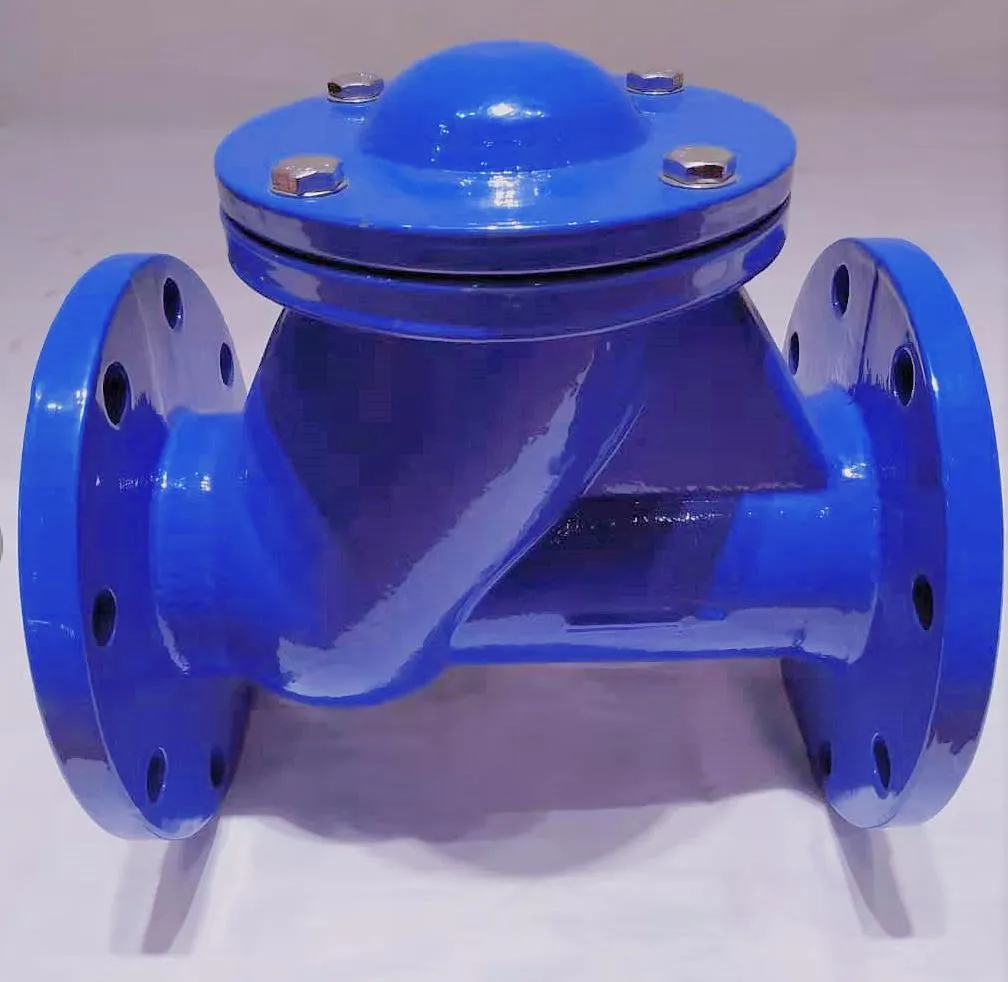
water valve pressure
Effectively managing water systems at home or in industrial settings hinges on understanding the nua
 English